
February 22-28, 2027 - $3,195.00
Limited to 10 Participants
with Joseph Rossbach & Kurt Budliger
A premium photographic expedition into two of the most iconic and visually powerful landscapes in the American West
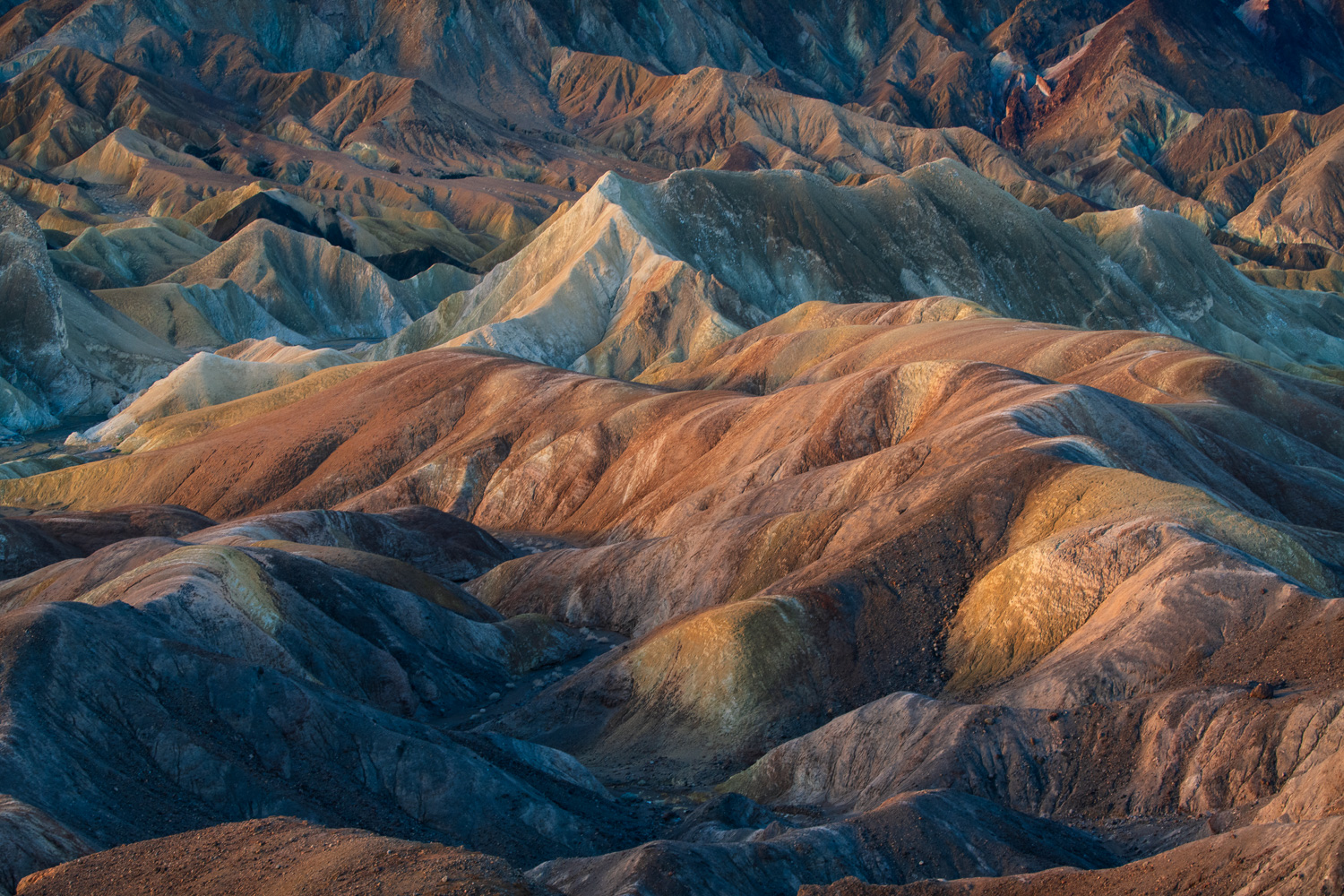
Winter in Death Valley National Park is unlike anything else in the American West. The light is low and sculptural, the air is crisp and clear, and the desert reveals a depth, mood, and elegance that few ever truly experience.
This exclusive workshop pairs the surreal vastness of Death Valley with the dramatic foregrounds and iconic backdrops of the Alabama Hills—creating a powerful and diverse portfolio-building experience.

The Experience
This workshop is immersive, intentional, and deeply
focused on your growth as an artist.
Each day is structured around the best light:
- Sunrise & Morning Field Sessions – working dynamic light, patterns, and evolving conditions
- Midday Reset & Instruction – rest, critique, and advanced post-processing sessions
- Afternoon/Evening Field Sessions – dramatic light, atmosphere, and composition refinement
You’ll receive:
- In-field composition guidance tailored to your vision
- Real-time feedback to elevate your work immediately
- Post-processing instruction focused on refinement, not over-processing
- Portfolio guidance to help shape a cohesive body of work


Key Locations & Subjects
Death Valley National Park
- Sand dunes and wind-sculpted patterns
- Salt flats and geometric formations
- Vast desert basins and layered mountain ranges
- Atmospheric conditions—fog, dust, and storm light
Alabama Hills
- Natural arches and rock formations
- Mount Whitney as a dramatic backdrop
- Classic and lesser-known compositions


Death Valley & Alabama Hills | February 21–27, 2027Workshop Schedule
This workshop is designed around light, conditions, and creative opportunity. The schedule below provides a general framework, but daily plans may shift to take full advantage of weather and atmosphere.
Day 1 — February 21
Arrival & Orientation (Death Valley)
We begin the workshop at 2:00 PM in or near Death Valley National Park.
Afternoon
- Meet & greet
- Workshop overview and orientation
- Discussion of conditions, goals, and approach
Late Afternoon / Evening
- First field session (sunset)
This first session sets the tone for the week—focused, intentional, and immersive.
Day 2 — February 22
Exploring Form & Light
Sunrise
- Field session/morning shootMidday
- Break and rest
- Classroom session:
- Composition and visual design
- Working complex landscapes
Afternoon / Sunset
- Afternoon/Sunset Field session targeting evolving conditions
Day 3 — February 23
Expanding Creative Possibilities
Sunrise
- Field session (salt flats, basins, or dunes depending on conditions)
Midday
- Image review and critique
- Post-processing session:
- Refining tonal balance
- Building depth and atmosphere
Afternoon / Sunset
- Afternoon/Sunset Field session
Day 4 — February 24
Refinement & Personal Vision
Sunrise
- Field session
Midday
- Advanced image development session
- Individual feedback and portfolio discussion
Afternoon / Sunset
- Final Death Valley sunset session
Day 5 — February 25
Transition to the Eastern Sierra
Sunrise (Optional)
- Final sunrise session in Death Valley
Midday
- Late morning / midday transition toward Lone Pine
- Afternoon Break
Afternoon / Sunset (Alabama Hills)
- First session in the Alabama Hills
Day 6 — February 26
Alabama Hills & Eastern Sierra
Sunrise
- Field session among arches and rock formations
Midday
- Rest and optional image review
- Discussion on refining a cohesive body of work
Afternoon / Sunset
- Final sunset session
(Optional night photography if conditions allow)
Day 7 — February 27
Final Sunrise & Wrap-Up
Sunrise
- Final field session in the Alabama Hills
- Last opportunity to refine and capture portfolio-level images
Mid-Morning
- Workshop concludes after the morning session
Important Notes
- All locations and timing are weather and condition dependent
- Flexibility is key to maximizing photographic opportunities
- Some sessions may shift to take advantage of unique light or weather events


Travel & Logistics FAQ
Death Valley & Alabama Hills Workshop
Where Does the Workshop Begin and End?
The workshop begins at 2:00 PM on February 21 in or near Death Valley National Park.
The workshop concludes mid-morning on February 27 in the Lone Pine area near the Alabama Hills.
What Airport Should I Fly Into?
The most convenient airport is:
- Harry Reid International Airport (LAS) — Recommended
From Las Vegas:
- Approx. 2–2.5 hour drive to Death Valley
- Easy rental car access
- Most reliable flight options
Do I Need to Rent a Car?
Yes—a rental car is strongly recommended.
You will need transportation for:
- Traveling to/from Death Valley
- The transition day to Lone Pine
- Daily movement between shooting locations
Will There Be Carpooling?
Yes.
We will help coordinate optional carpooling between participants prior to the workshop. This can:
- Reduce costs
- Simplify navigation
- Create a more collaborative group experience
Where Should I Stay?
Death Valley (First 4 Nights)
We will be based in or near Death Valley. Recommended lodging options will be provided after registration.
Important:
Lodging in this area is limited—early booking is strongly encouraged.
Lone Pine (Final 2 Nights)
For the final portion of the workshop, we will stay in or near:
- Lone Pine
We will provide recommended hotels that are:
- Convenient to the Alabama Hills
- Workshop-friendly
- Reliable and comfortable
When Should I Arrive and Depart?
Arrival
- Plan to arrive no later than late morning / early afternoon on February 21
- This allows time for the drive from Las Vegas and check-in before the 2 PM start
Departure
- Plan departures no earlier than early afternoon on February 27
- The workshop ends after a morning session in Lone Pine
Are Meals Included?
Meals are not included.
This allows flexibility based on your preferences. We will:
- Recommend reliable dining options
- Coordinate optional group dinners
- Ensure adequate time between sessions
What Are the Driving Conditions Like?
- All primary roads are paved and accessible
- Some shooting locations may involve short drives on well-maintained dirt roads
- A standard rental car is sufficient (no 4WD required in normal conditions)
How Much Hiking Is Involved?
- Most locations involve short walks on uneven terrain
- Expect:
- Sand (dunes)
- Gravel and rocky ground
- Light elevation changes
You should be comfortable carrying your gear short distances.
What Will the Weather Be Like?
February conditions can vary:
Death Valley:
- Cool mornings (30s–50s°F)
- Mild daytime temps (50s–70s°F)
Alabama Hills / Lone Pine:
- Cooler overall, especially mornings
- Possible wind and colder sunrise conditions
Layered clothing is essential.
Should I Purchase Travel Insurance?
Yes—strongly recommended.
Travel insurance can protect you in case of:
- Trip cancellation or interruption
- Illness or emergency
- Travel delays
This is especially important given the workshop’s cancellation policy.
What Happens If Weather Conditions Are Poor?
Some of the most compelling images in these locations happen during:
- Storm light
- Cloudy conditions
- Changing weather patterns
We actively adapt to conditions daily to maximize opportunities.
Flexibility is built into the structure of the workshop.
Will I Receive More Details Before the Workshop?
Yes.
You’ll receive a detailed pre-workshop guide that includes:
- Gear recommendations
- Packing list
- Lodging suggestions
- Final itinerary details
- Group coordination information
Final Notes
This workshop is designed to be logistically straightforward and creatively immersive.
Once you arrive, everything is structured so you can:
- Focus on photography
- Learn without distraction
- And make the most of the conditions and locations